
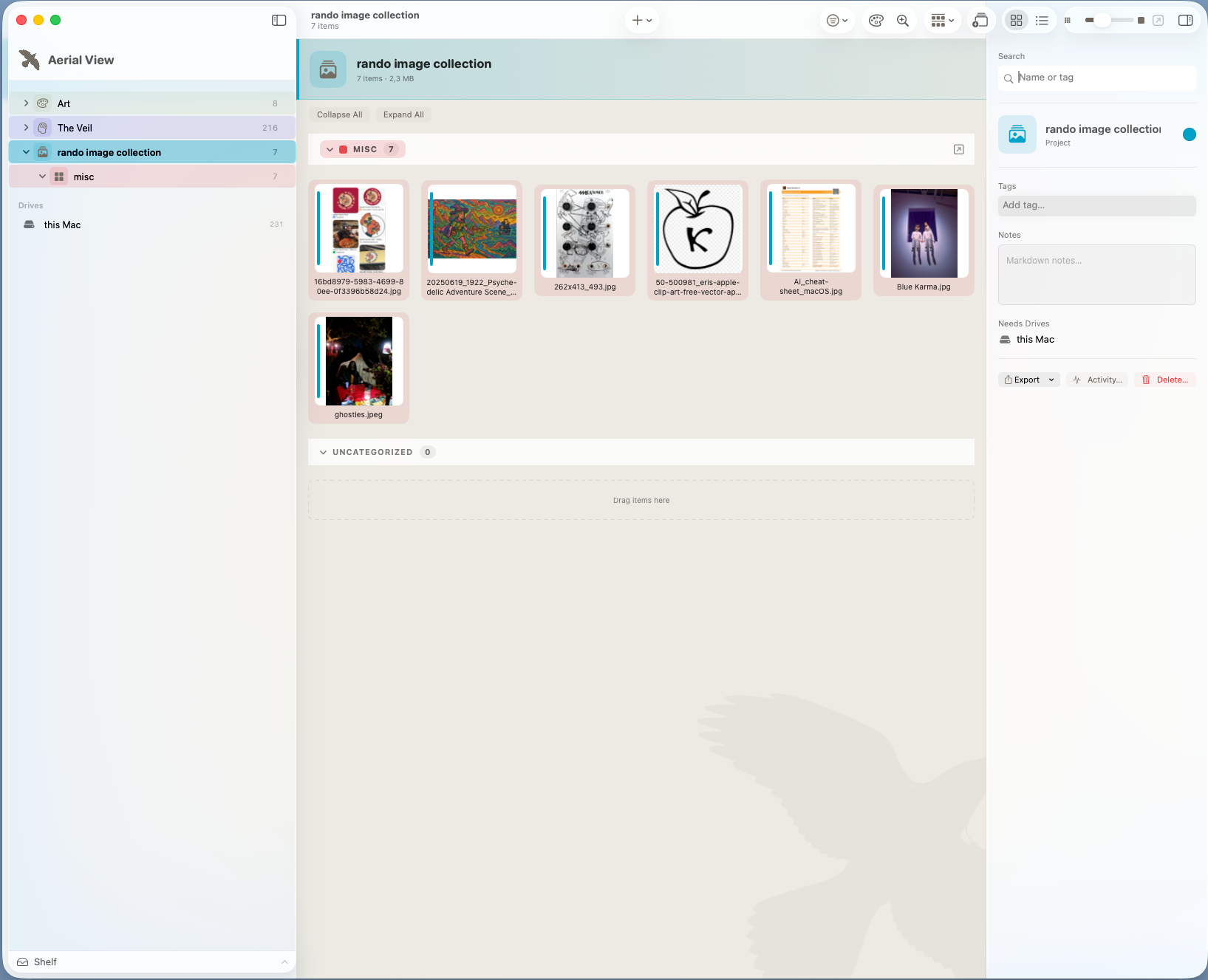
Aerial View’s working database now creates an automatic backup whenever the app exits normally. The change came from the least glamorous but most useful kind of product research: a real mistake during real work.
A sidebar misclick deleted an entire curated project containing the organization, ratings, tags, and structure for 178 referenced files. The original files stayed safe because Aerial View never moves or deletes them, but the project database entry was gone. Arthur restored the database from Time Machine—not through Aerial View, because no in-app backup had been created yet.
That failure changed the product. The app now makes a fresh database backup on exit so the recovery path begins without relying on the user to remember a separate command. This does not replace Time Machine or other system backups. The next step is to test the app’s own restore flow in a controlled recovery scenario and make the choices unmistakably clear.
AI assistance helped implement and inspect the backup behavior. Arthur defined the failure mode, chose the recovery rule, reviewed the code, and remains responsible for testing whether it protects real work.
Aerial View is a private shipped product Arthur uses daily. Public distribution still requires packaging, signing, licensing, documentation, and a deliberately boring amount of restore testing.